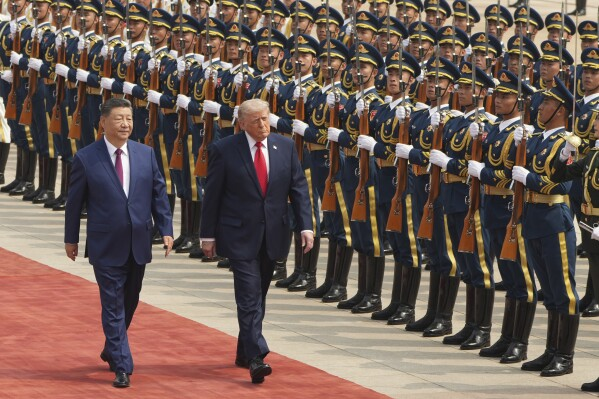
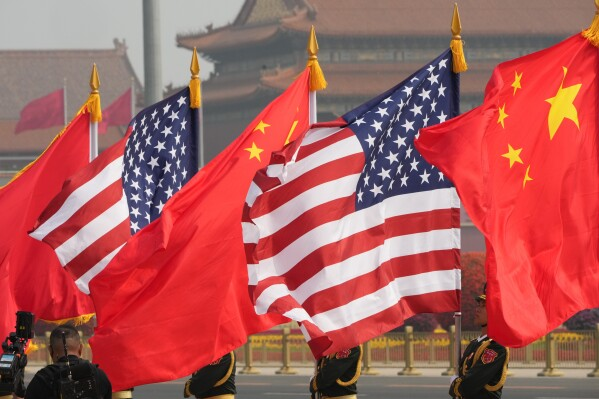
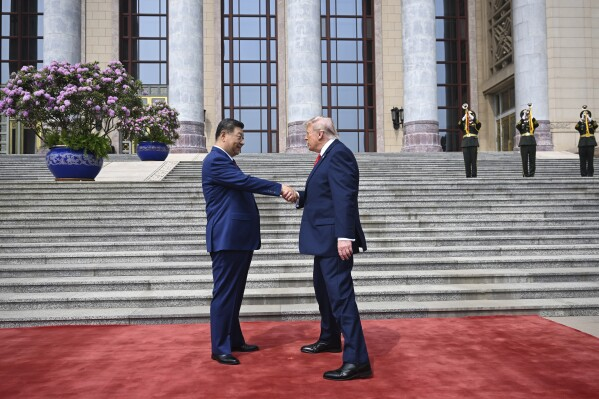
On May 14, 2026, the heads of state of China and the United States held a significant meeting in Beijing, which drew global attention. The two sides reached a consensus on building a “constructive and strategically stable China-US relationship,” emphasizing cooperation as the mainstay, competition kept within bounds, differences manageable, and peace achievable.
This high-level engagement has injected a degree of stability into China-US economic and trade relations and provided a new window of observation for the international freight forwarding industry.
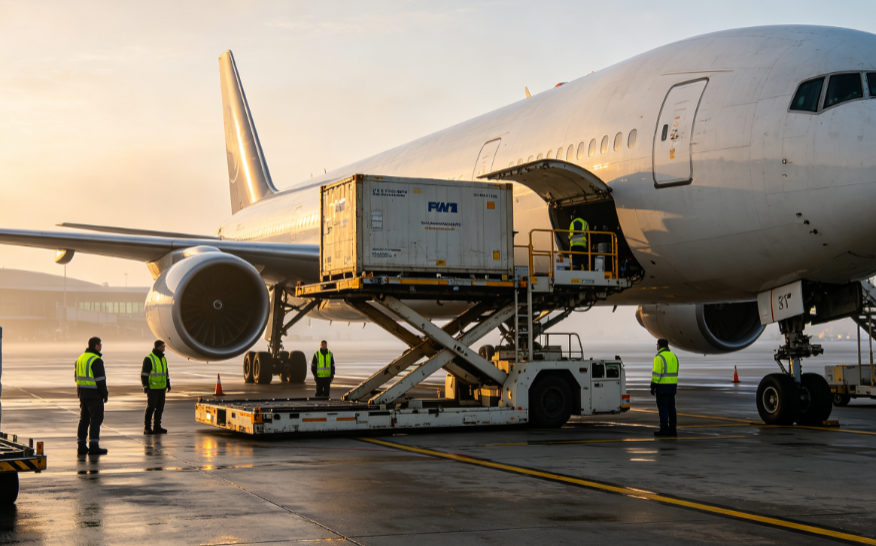
As a freight forwarding enterprise specializing in international air freight and comprehensive logistics services, we need to closely monitor post-meeting changes in the trade environment and proactively adjust our business strategies to better serve our global freight forwarding partners.
Key Positive Signals Released by the Meeting
Both sides expressed a clear willingness to stabilize bilateral relations during the meeting. President Xi Jinping put forward the important proposition of “surmounting the Thucydides Trap and injecting stability into the world,” to which President Trump responded positively. The talks covered multiple areas including trade, investment, and supply chains, releasing several positive signals:
-
Increased expectations for easing trade frictions: The two sides agreed to resolve differences through dialogue mechanisms and avoid extreme confrontation, which helps reduce market concerns about a new round of tariff escalations.
-
Consensus on supply chain stability: Maintaining the basic stability of China-US supply chains serves the interests of both countries and enables enterprises to make more reliable logistics plans.
-
Restoration of high-level communication mechanisms: This provides channels for follow-up negotiations on specific issues such as tariffs, export controls, and technological cooperation.
These signals have boosted overall confidence in international trade and represent an important positive development, especially for freight forwarders who have long relied on China-US routes.
Remaining Uncertainties in the Trade Environment
Despite the stabilizing signals from the meeting, the China-US trade environment still faces complex factors:
-
Slower pace of tariff policy adjustments: The US continues to impose additional tariffs on certain Chinese goods. While the possibility of significant short-term reductions is low, room for targeted exemptions and negotiations is gradually opening up. Freight forwarders should remain cautious when quoting and planning space.
-
Continuation of supply chain diversification: The “China+1” and nearshoring strategies continue to accelerate. Production and transshipment demand in Vietnam, India, Mexico, and other locations is growing, driving increased transshipment air freight and multimodal transport business.
-
Rising air freight demand for high-value goods: Electronics, AI equipment, automotive parts, and pharmaceuticals have high reliance on air transport. With the trade environment stabilizing, exports in these categories are expected to recover, though compliance requirements will become stricter.
-
Overlapping geopolitical and cost factors: External variables such as the situation in the Middle East and fuel price fluctuations may still affect global capacity distribution and air freight rates.
Potential Impacts on International Freight Forwarding Business
Positive Impacts:
- Inquiry and cooperation willingness from domestic and overseas agents may increase, especially in the second and third quarters, as inventory buildup demand rises.
- Long-term cooperation opportunities are expected to grow; overseas agents will prefer partners with stable route resources and 7×24-hour response capabilities.
- Demand for multimodal transport and value-added services will increase, such as sea-air combined transport, Southeast Asia transshipment, warehousing, and customs clearance solutions.
Challenges and Risks:
- Freight rates will remain volatile. While China-US direct routes may stay relatively stable in the short term, early shipment surges could cause periodic capacity tightness.
- Increased compliance pressure: Export controls, rules of origin, and dangerous goods transport requirements are becoming more detailed, raising operational risks.
- Changes in industry competition: Small and medium-sized forwarders may face pressure due to limited resources, potentially increasing industry consolidation and resource-sharing needs.
Strategic Recommendations for Freight Forwarding Enterprises
1.
Strengthen Route Resource Reserves Secure long-term cooperation agreements with major airlines and overseas agents to ensure stable capacity on core routes (China-US, Europe, Southeast Asia), while expanding transshipment options to diversify risks.
2.
Enhance Digitalization and Response Capabilities Utilize online quotation systems and real-time rate tracking tools to achieve 7×24-hour rapid response and meet overseas agents’ high timeliness requirements.
3.
Focus on High-Value and Special Cargo Services Deepen expertise in electronics, batteries, pharmaceuticals, and dangerous goods sectors to build professional operational advantages, improve bargaining power, and increase customer loyalty.
4.
Promote Global Agency Network Development Establish close, mutually beneficial cooperation with quality agents in Southeast Asia, Europe, Latin America, and other regions to jointly capture new opportunities brought by supply chain adjustments.
5.
Compliance First, Risk Controllable Continuously track China-US trade policy developments and provide clients with advance compliance guidance to reduce uncertainties in operations.
Conclusion: Opportunities Outweigh Challenges, Win-Win Cooperation is the Main Theme
The China-US high-level meeting has injected a stabilizer into the global trade environment and provided clear development signals for the international freight forwarding industry. In a complex and volatile international landscape, professional freight forwarders with stable resources, rapid response capabilities, and global networks will be more competitive.
As an established professional international freight forwarder, HMI Logistics remains committed to providing efficient and stable air freight and logistics solutions to global forwarding partners. No matter how the market changes, we will work hand in hand with our partners to embrace new opportunities.
We welcome domestic and overseas peers to contact HMI Logistics to discuss route optimization, rate locking, and service enhancement under the current trade environment. Stable cooperation and mutual benefit are the keys to winning in global supply chain competition.