- Home
-
Product Services
-
Products and Services
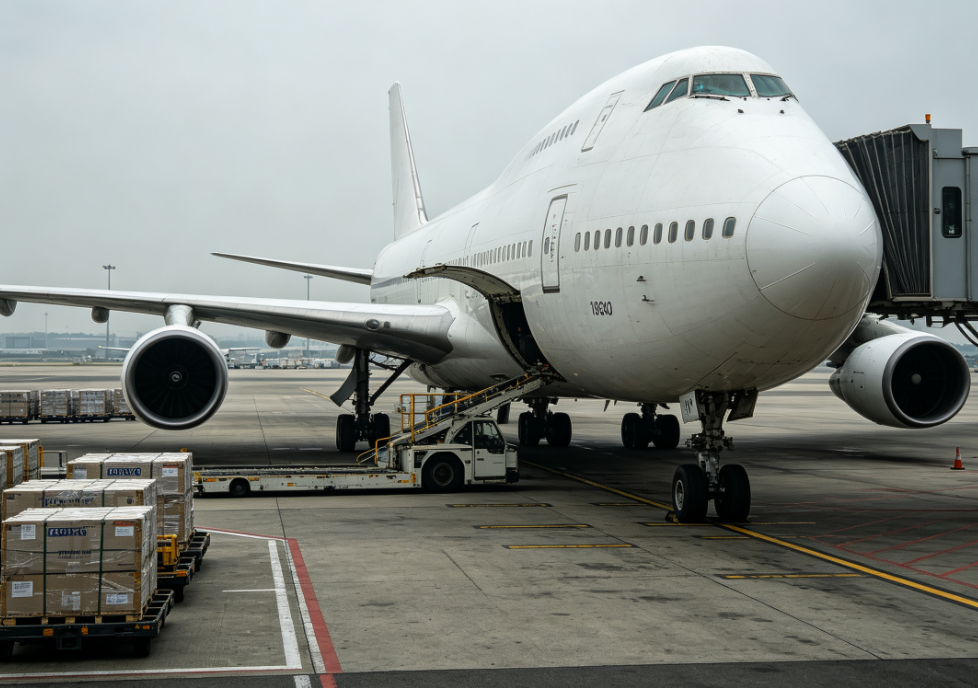
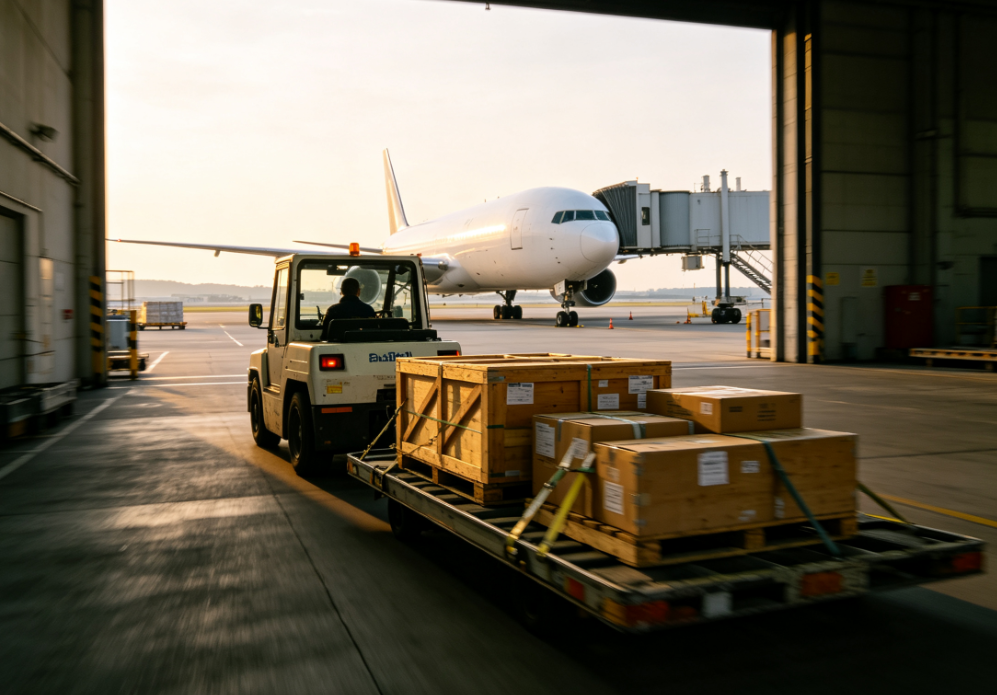
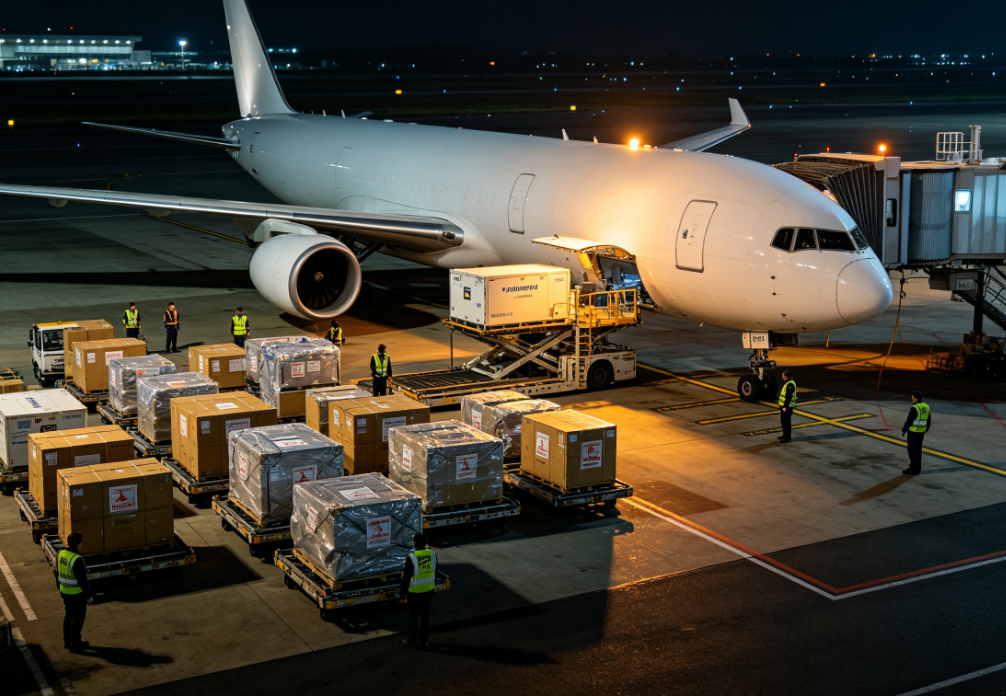
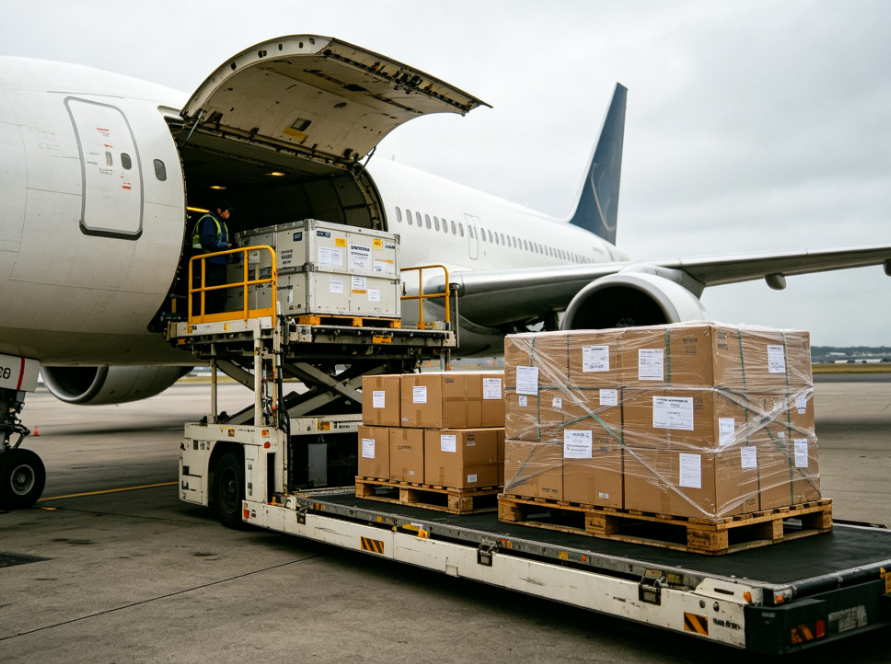
We focus on one-stop international logistics services with international air freight as the core, relying on mature global route resources and stable aviation cooperation network, covering import and export air freight/express, key special line transportation in India, the United States, Europe, as well as professional transportation solutions for dangerous goods and special goods. At the same time, we provide full chain logistics services covering booking, customs declaration, warehousing, mainline transportation, and destination port delivery.
- Import & Export Air Logistics / Express India Air Logistics USA Air Logistics Europe Air Logistics DG & Special Cargo Full-Chain Logistics Services
-
Products and Services
- Advantage Route
-
Advantage Route
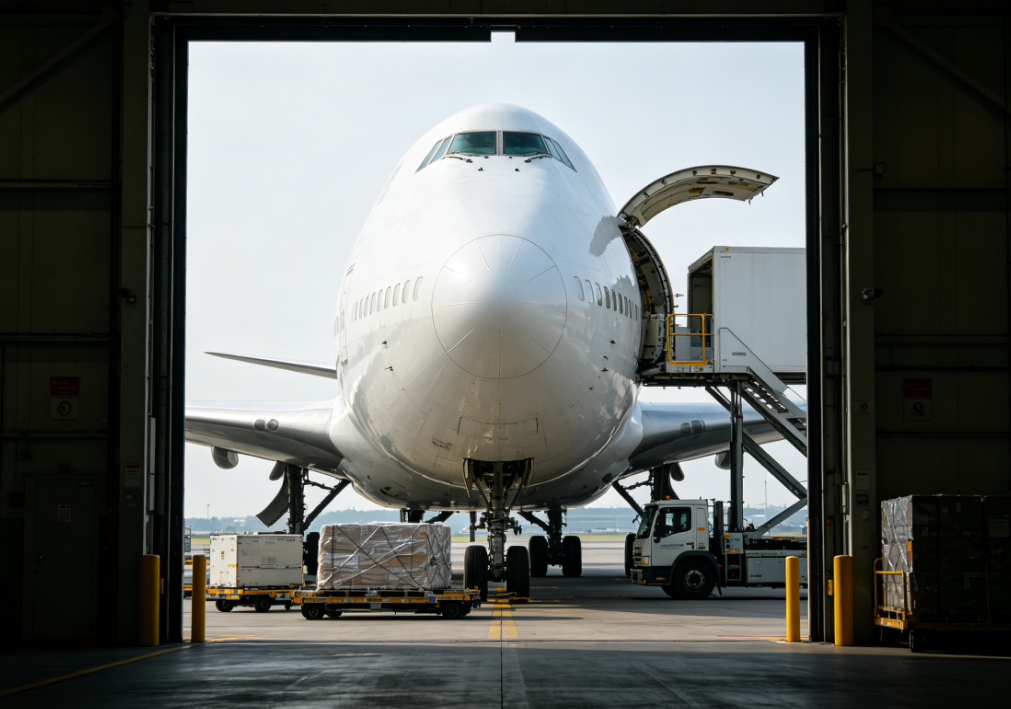
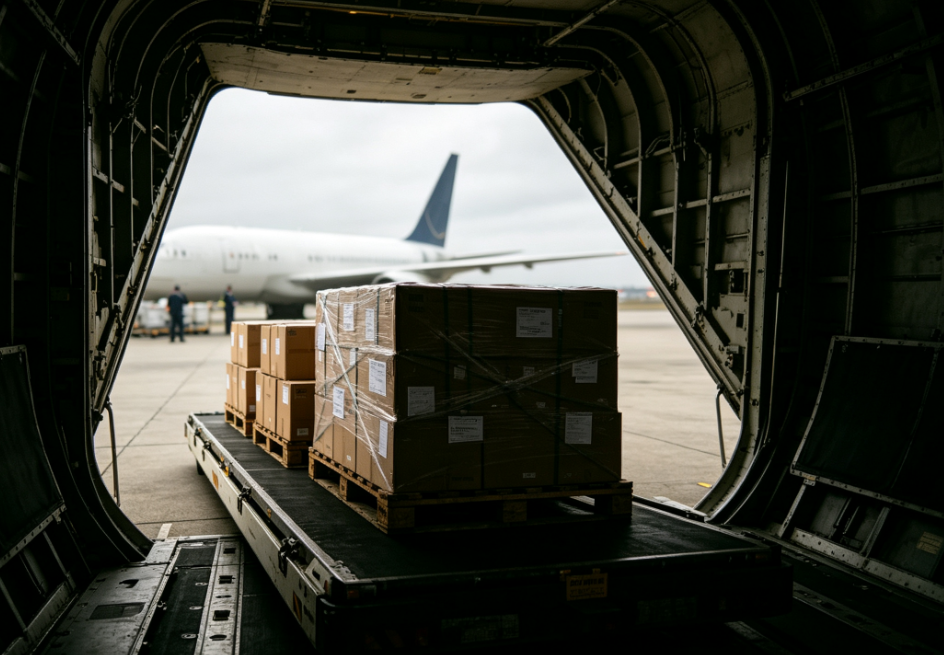
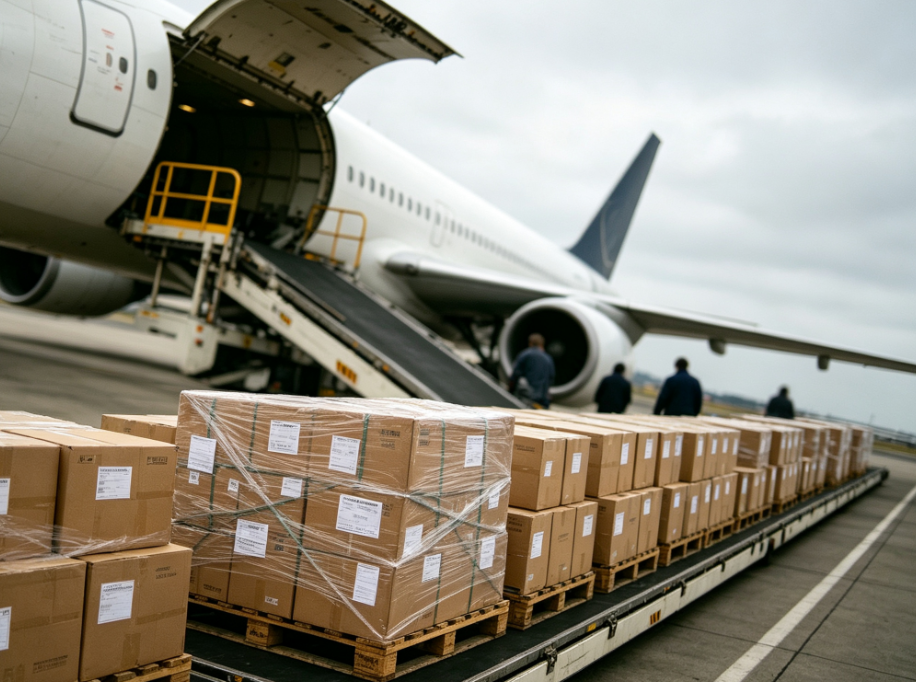
Based on long-term strategic cooperation with multiple international airlines, we have built a stable and efficient advantageous route network in core markets such as India, the United States, and Europe, with sufficient cabin space guarantee and flexible loading capacity. At the same time, we will continue to expand transportation channels in Africa, South America, and emerging markets, providing stable and reliable transportation support even during peak seasons and emergency shipping scenarios.
- India Air Logistics Africa Air Logistics USA Air Logistics Europe Air Logistics
-
Advantage Route
-
News
-
News
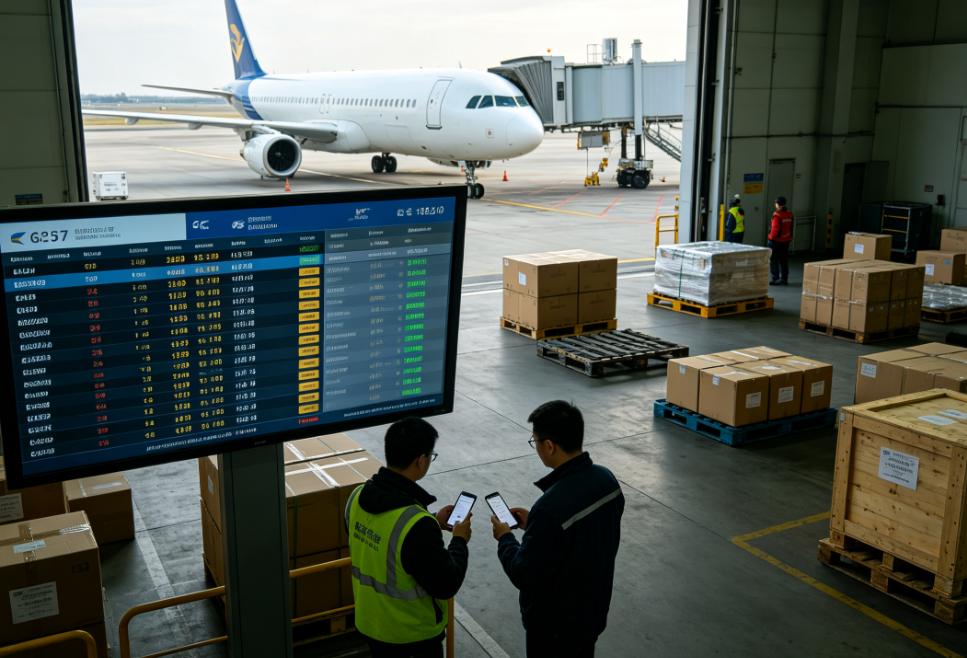
Continuously sharing company updates, route resource updates, industry news, and logistics solution cases to help customers timely understand market changes and transportation trends, and improve cross-border logistics decision-making efficiency and information transparency.
- Company News Industry News
-
News
-
About Us
-
About Us
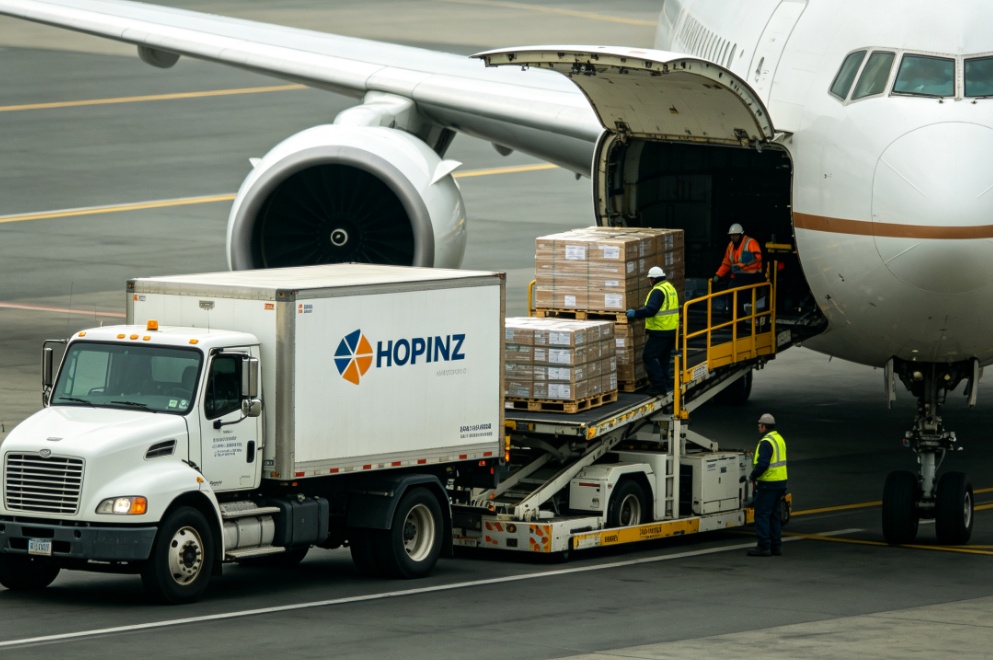
Shenzhen HMI Logistics Co., Ltd. was established in 2012, headquartered in Shenzhen, and is a comprehensive service provider deeply engaged in the international logistics field. The company focuses on international air freight business, relying on mature route resources, professional operation team, and global agency network to provide customers with stable, efficient, and reliable one-stop international logistics services, continuously assisting the global trade development of enterprises.
- Company Profile 华三合作 Honor
-
About Us
-
Contact Us
-
Contact Us
We always maintain an efficient response mechanism to provide customers with timely and professional logistics consulting and solution support. Whether it's daily shipping inquiries, customized transportation plans, or urgent logistics needs, you can contact us through multiple channels. We will provide you with service support and business integration as soon as possible。
- Contact Us Talent Recruitment
-
Contact Us